2026-10-16 ·
What Influences Fire Damage Restoration Costs in San Luis Rey
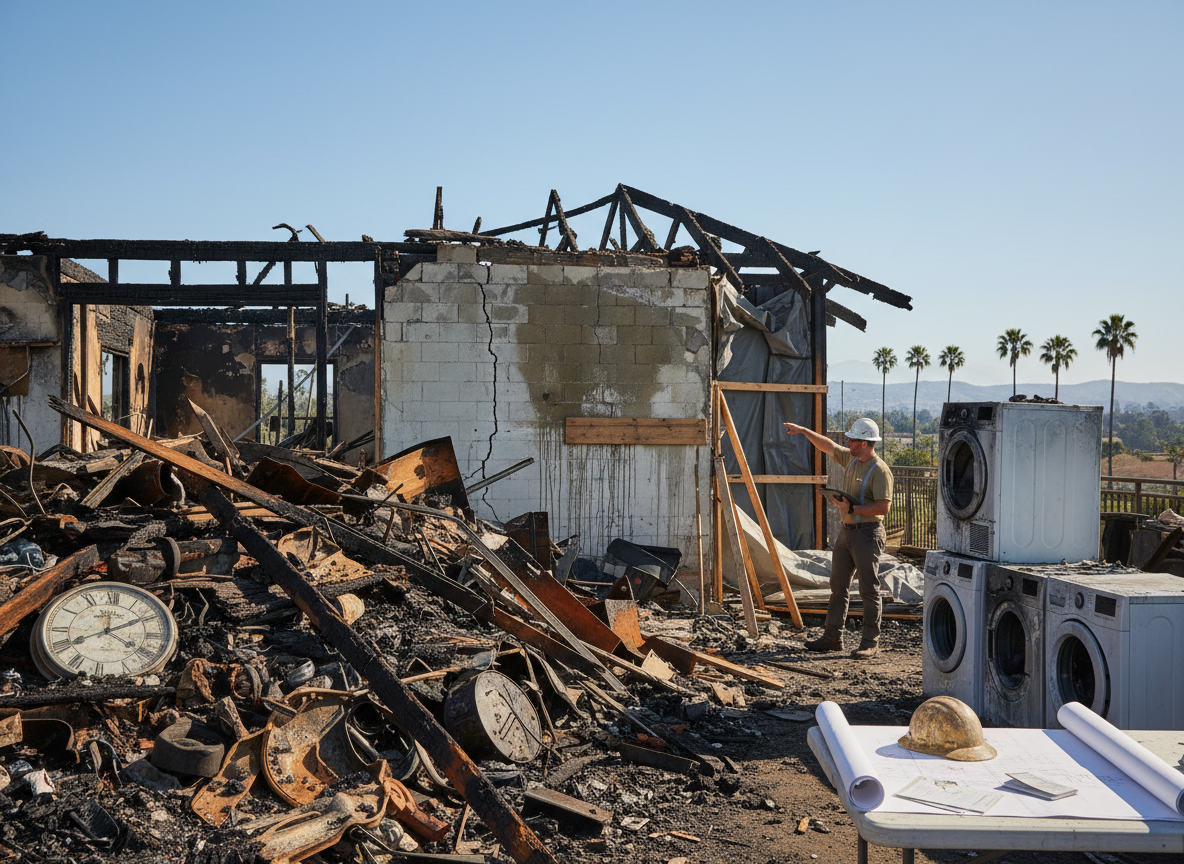
Several factors determine Fire Damage Restoration San Luis Rey pricing, starting with the volume of structural material that must be removed and replaced, the reach of smoke into wall cavities, and the speed of initial response before secondary issues like corrosion set in.
Extent of Structural Involvement
The square footage that sustains direct flame contact versus areas only touched by smoke drives the largest share of the bill. When fire reaches load-bearing elements in single-story ranch homes common along Mission Avenue, crews must often open ceilings and walls across multiple rooms to trace hidden char. Soot that travels through HVAC ducts in these older builds requires negative-air machines and repeated chamber cleanings that add labor hours. In contrast, contained kitchen incidents typically stay below the cost of whole-house events because only cabinetry and adjacent drywall need replacement. Property owners who call within the first hour after ignition limit oxidation on metal fixtures and reduce the total surface area that later needs odor removal after fire.
Age and Construction of San Luis Rey Homes
Many residences in San Luis Rey date to the 1960s and 1970s and feature plaster-over-lath walls, knob-and-tube wiring, and original hardwood floors. These materials absorb smoke differently than modern drywall, so restoration teams spend extra time testing for embedded odors before sealing. When fire reaches attic spaces in these homes, insulation replacement often becomes necessary because blown cellulose holds soot particles that later release smells during temperature swings. Crews working near the historic core around Mission San Luis Rey also encounter narrower access points that slow equipment movement and increase setup time compared with newer subdivisions in neighboring Oceanside.
Role of Local Weather and Wind Patterns
Santa Ana wind events that sweep through the San Luis Rey valley can push flames and embers farther than calm conditions would allow, turning a small ignition into a multi-room loss. Once winds subside, humidity levels near the coast can trap moisture inside charred framing, raising the risk of hidden mold if drying is delayed. Teams that arrive during these dry, gusty periods must stabilize the structure against sudden weather shifts before beginning demolition. Properties located closer to the San Luis Rey River corridor sometimes face additional soil-moisture considerations that affect how quickly subfloors can be dried after water is introduced during suppression.
Insurance Documentation and Scope Changes
Accurate line-item pricing depends on thorough documentation of every affected assembly before work begins. Adjusters reviewing claims for homes in Vista or Camp Pendleton often request photos of each layer removed so that hidden damage discovered mid-project does not trigger disputes. Linking the initial scope to the policy early prevents later change orders that can increase the final invoice by thousands. Homeowners who keep daily logs of contractor activity and store displaced belongings off-site also reduce storage fees that accumulate when restoration stretches beyond two weeks.
Secondary Effects That Compound Expenses
Lingering smoke residue on porous surfaces such as concrete and brick requires multiple rounds of sealing that were not part of the original fire-damage estimate. When electrical systems in pre-1978 homes test positive for soot inside conduit, full rewiring becomes necessary rather than simple outlet replacement. Readers facing these layered decisions often review the steps outlined in Navigating Insurance Claims After Fire Damage in San Luis Rey before authorizing additional phases. In the same way, understanding how residual moisture interacts with remaining char helps prevent future issues detailed in Preventing Mold After Fire Damage in San Luis Rey Homes.